First-Time Buyers: Comprehensive Plan to Own Your Home

First-time homebuyers need a comprehensive plan encompassing:- Budgeting & Expectations: Meticul…….
Giving you all the latest Arizona Buzz!
In an increasingly complex and interconnected world, the concept of a Comprehensive Plan has emerged as a powerful tool for shaping communities, economies, and societies. This article aims to delve into the intricacies of comprehensive planning, offering a holistic view of its definition, global impact, economic implications, technological underpinnings, policy frameworks, challenges, and future prospects. By exploring these various facets, we will equip readers with a comprehensive understanding of this dynamic process and its role in driving sustainable and inclusive growth.
Definition: A Comprehensive Plan is a strategic document that outlines the vision, goals, and actions required to achieve sustainable development across multiple sectors within a defined geographical area. It serves as a roadmap for guiding decision-making, resource allocation, and urban/regional growth over a specified period.
Core Components:
Spatial Planning: This involves designing the physical layout of an area, including zoning for residential, commercial, industrial, and green spaces, transportation networks, and infrastructure development.
Social Development: Focusing on community well-being, it addresses housing, education, healthcare, social services, cultural facilities, and inclusivity to ensure a high quality of life for all residents.
Economic Development: Comprehensive plans should foster economic growth by promoting business retention and attraction, supporting local industries, encouraging entrepreneurship, and creating employment opportunities.
Environmental Sustainability: Protecting natural resources, preserving ecosystems, managing waste, ensuring energy efficiency, and mitigating climate change are essential aspects of a sustainable comprehensive plan.
Infrastructure and Transportation: Planning for roads, public transport, utilities, telecommunications, and digital infrastructure to connect communities and support economic activities.
Historical Context: The roots of comprehensive planning can be traced back to the early 20th century in Europe and North America. Cities like Chicago and Paris adopted master plans to address rapid urbanization and its associated challenges. The post-World War II era saw a surge in comprehensive planning, driven by the need for reconstruction and the rise of modern urbanism. Over time, it evolved from simple land-use planning to become an integrated approach addressing social, economic, and environmental aspects.
The concept of comprehensive planning has spread globally, reflecting a growing recognition of its value in tackling complex urban and regional challenges. Here’s a snapshot of its international influence:
North America: Cities like New York, Los Angeles, and Toronto have implemented comprehensive plans to manage growth, address inequality, and enhance infrastructure. These plans often focus on sustainable transportation, affordable housing, and smart city technologies.
Europe: European cities such as Copenhagen (Denmark) and Amsterdam (Netherlands) are renowned for their comprehensive planning, prioritizing cycling infrastructure, green spaces, and social welfare. The EU’s urban development policies, like the Urban Agenda, promote integrated approaches to urban development across member states.
Asia: Rapidly growing megacities in Asia, such as Tokyo (Japan), Seoul (South Korea), and Jakarta (Indonesia), are embracing comprehensive planning to manage urbanization, traffic congestion, and environmental degradation. These plans often involve public-private partnerships for infrastructure development.
Africa: With many African cities experiencing rapid growth, comprehensive planning is gaining traction. For instance, Nairobi (Kenya) has developed a Nairobi Vision 2030 focusing on economic growth, social equity, and environmental sustainability.
Key Global Trends:
| Trend | Description |
|---|---|
| Sustainable Development Goals (SDGs) | The UN’s SDGs provide a global framework for comprehensive planning, with goals related to poverty reduction, education, gender equality, clean energy, climate action, and sustainable cities. |
| Smart Cities | The integration of information and communication technologies (ICTs) to enhance urban services and citizen engagement is a growing trend, with cities using data analytics, IoT devices, and digital platforms for efficient management. |
| Resilient Infrastructure | In the face of climate change and natural disasters, building resilient infrastructure that can withstand extreme events is becoming a priority in comprehensive plans worldwide. |
| Participatory Planning | Involving local communities, stakeholders, and citizens in decision-making processes through public consultations, workshops, and digital platforms is enhancing the inclusivity and ownership of comprehensive plans. |
Comprehensive plans play a pivotal role in shaping economic landscapes and fostering sustainable development. Here’s how:
Market Dynamics: They influence local markets by guiding land use, attracting investments, and creating clusters of related industries. For example, tech hubs like Silicon Valley (USA) and Bangalore (India) emerged due to strategic planning and supportive infrastructure.
Investment Patterns: Comprehensive plans can attract or deter investments in specific sectors. Cities that offer favorable business environments, tax incentives, and modern infrastructure tend to be more attractive for foreign direct investment (FDI).
Economic Diversification: By promoting multiple industries and service sectors, these plans help reduce economic dependencies on a single sector, enhancing resilience and balance.
Job Creation: Well-designed comprehensive strategies can stimulate job growth in various sectors, from construction and manufacturing to knowledge-based industries and services.
Poverty Reduction: Targeting vulnerable communities through social development initiatives within comprehensive plans can lead to improved access to education, healthcare, and economic opportunities, contributing to poverty alleviation.
Technology is revolutionizing comprehensive planning, offering new tools and insights to inform decision-making and improve outcomes. Key advancements include:
Geospatial Analysis: Advanced mapping technologies, remote sensing, and geographic information systems (GIS) enable planners to analyze land use, demographics, transportation networks, and environmental factors with unprecedented detail.
Big Data and Analytics: Analyzing large datasets from various sources provides insights into urban patterns, resident behaviors, traffic flows, and economic trends, aiding in more informed planning decisions.
Smart City Technologies: IoT sensors, digital platforms, and mobile applications can monitor and manage city services, waste management, energy consumption, parking, traffic, and public safety in real time.
3D Modeling and Visualization: 3D modeling tools allow planners to create virtual representations of proposed projects and developments, aiding in design refinement and stakeholder engagement.
Potential Future Applications:
AI-driven Planning: Artificial intelligence can analyze vast amounts of data and complex scenarios, assisting in optimizing transportation networks, energy systems, and resource allocation.
Blockchain for Transparency: Blockchain technology can enhance transparency and accountability in land registration, property transactions, and public service delivery within comprehensive plans.
AR/VR for Stakeholder Engagement: Augmented and virtual reality can provide immersive experiences, enabling stakeholders to visualize proposed developments and engage in virtual consultations.
Comprehensive plans are subject to various policies, regulations, and legislative frameworks that ensure their alignment with national and international standards, ethical considerations, and environmental sustainability. Key aspects include:
Zoning and Land Use Regulations: These laws dictate how land is used and developed, ensuring orderly growth and preserving community character. They often require comprehensive plans to be updated periodically to reflect changing needs.
Environmental Policies: Laws like the Clean Air Act (USA), Water Quality Act, and various environmental protection acts guide comprehensive plans in managing pollution, preserving ecosystems, and promoting sustainable development practices.
Housing Policies: Comprehensive plans must address housing needs, affordability, and accessibility through policies related to zoning, density, inclusive housing, and public housing developments.
Transportation Planning: National and regional transportation policies influence comprehensive plans by dictating infrastructure development, public transport systems, and connectivity between communities.
Community Engagement Policies: Many jurisdictions now mandate community participation in planning processes through public hearings, workshops, and online consultations to ensure inclusive decision-making.
Despite its many benefits, the comprehensive plan approach faces several challenges and criticisms that must be addressed for effective implementation. These include:
Lack of Political Will: In some cases, political leaders may prioritize short-term gains over long-term strategic planning, leading to inconsistent or fragmented development.
Inadequate Data and Analysis: Comprehensive plans rely on robust data for informed decision-making. However, data gaps, outdated information, and limited analytical capabilities can hinder effective planning.
Funding Constraints: Developing and implementing comprehensive plans requires substantial financial resources. Limited funding may result in inadequate infrastructure development or a lack of necessary services.
Community Resistance: Changes proposed in comprehensive plans, especially those affecting land use or property values, can face resistance from local communities, businesses, or special interest groups.
Proposed Solutions:
Cross-Sector Collaboration: Encouraging collaboration between various government departments and private sector partners can help overcome silos and ensure a more coherent approach to planning and implementation.
Invest in Data Infrastructure: Governments should allocate resources to enhance data collection, analysis, and sharing capabilities, ensuring planners have access to reliable and up-to-date information.
Public-Private Partnerships (PPPs): PPPs can leverage private sector expertise and financial resources to complement public funding and accelerate infrastructure development.
Community Engagement Strategies: Developing innovative engagement methods, such as digital platforms, citizen juries, and co-design workshops, can foster a sense of ownership among residents and ensure plans reflect local needs.
Copenhagen’s comprehensive plan has made it a global leader in cycling infrastructure and urban design. With over 40% of residents commuting by bike, the city has invested heavily in dedicated bike lanes, cycle superhighways, and bike-sharing systems. This has reduced traffic congestion, improved air quality, and fostered a vibrant culture around active transportation. The plan also includes strategies for green space expansion, energy efficiency, and social housing development, making it a holistic example of sustainable urban planning.
Singapore’s comprehensive planning is characterized by long-term vision and stringent implementation. The city-state has successfully integrated land use, transportation, housing, and economic development through master plans. For instance, the Master Plan 2030 focuses on urban resilience, sustainable development, and technology integration. Singapore’s success lies in its data-driven approach, strict enforcement of planning regulations, and collaboration between government agencies and industry partners.
The RKPJ aims to transform Jakarta into a smart, sustainable, and inclusive metropolis by 2045. It addresses critical issues such as traffic congestion, flood control, solid waste management, and affordable housing. Key initiatives include the Mass Rapid Transit (MRT) system, the North-South Lane, and the Jakarta Bay Urban Renaissance Project. The plan involves extensive community engagement and private sector participation, ensuring a shared vision for the city’s future.
The field of comprehensive planning is continually evolving, driven by technological advancements, shifting demographics, climate change, and economic trends. Here are some potential growth areas and emerging trends:
Smart and Resilient Cities: The integration of advanced technologies, data analytics, and digital infrastructure will define the future of urban development, enabling cities to become smarter, more efficient, and resilient to disruptions.
Sustainable Development Goals (SDGs): Comprehensive plans will play a pivotal role in achieving the UN’s SDGs by 2030, focusing on poverty reduction, education, health, gender equality, clean energy, and climate action.
Data-Driven Planning: As data collection and analysis capabilities improve, planners will make more informed decisions based on real-time insights, leading to more efficient resource allocation and targeted interventions.
Participatory Budgeting: Involving citizens in budget allocation processes through digital platforms and community consultations could become a standard practice, ensuring that comprehensive plans reflect the priorities of those they serve.
Green Infrastructure and Nature-Based Solutions: With growing awareness of biodiversity loss and climate change, comprehensive plans will prioritize green spaces, urban forests, green roofs, and nature-based solutions to mitigate environmental impacts.
Comprehensive planning is a dynamic and essential tool for shaping sustainable, resilient, and inclusive communities worldwide. By addressing multiple sectors and integrating economic, social, environmental, and technological considerations, it offers a holistic approach to urban and regional development. As cities and regions grapple with rapid urbanization, climate change, and evolving societal needs, comprehensive plans will be crucial in guiding decision-making and ensuring a better quality of life for future generations.
Q: What is the difference between a comprehensive plan and a zoning map?
A: A comprehensive plan provides a strategic vision for an area’s development over a longer period, outlining various goals and actions across sectors. It guides land use policies but does not dictate specific building designs or locations. In contrast, a zoning map is a regulatory tool that divides an area into zones, specifying permitted land uses within each zone to ensure orderly development.
Q: How do comprehensive plans address social inequality?
A: Comprehensive plans can tackle social inequality through targeted initiatives like affordable housing developments, accessible public spaces, and equitable access to education, healthcare, and transportation. They should promote inclusive zoning practices, support community engagement, and ensure that economic growth benefits all segments of society.
Q: What role does technology play in modern comprehensive planning?
A: Technology enables planners to analyze complex data, model various scenarios, and engage with stakeholders digitally. Smart city technologies enhance urban services, while GIS and 3D modeling tools assist in visualization and decision-making. The integration of technology improves efficiency, transparency, and citizen participation in comprehensive planning processes.
Q: How can communities get involved in comprehensive planning?
A: Communities can participate through public hearings, workshops, online platforms, and citizen juries. Planners should foster open communication, provide accessible information, and actively seek input from residents, businesses, and local organizations to ensure plans reflect the needs and aspirations of the community.
Q: Are there any global examples of successful comprehensive planning?
A: Indeed! Cities like Copenhagen (Denmark), Singapore, Jakarta (Indonesia), New York (USA), and Tokyo (Japan) are renowned for their well-planned and integrated development strategies. These plans have contributed to improved quality of life, economic growth, environmental sustainability, and enhanced infrastructure, setting benchmarks for comprehensive planning worldwide.
First-time homebuyers need a comprehensive plan encompassing:- Budgeting & Expectations: Meticul…….
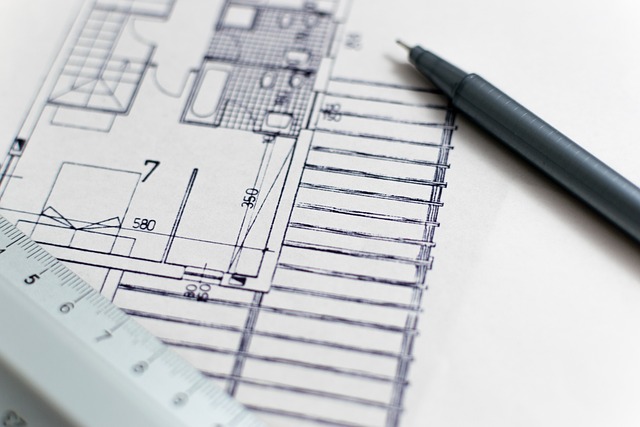
Strategic analysis is vital for investors, providing a comprehensive plan to navigate market complex…….

Strategic analysis is crucial for investors to navigate complex markets. A comprehensive plan involv…….

Strategic analysis is a crucial tool for investors crafting a comprehensive plan to excel in dynamic…….

Strategic analysis guides investors in navigating complex markets by evaluating internal capabilitie…….
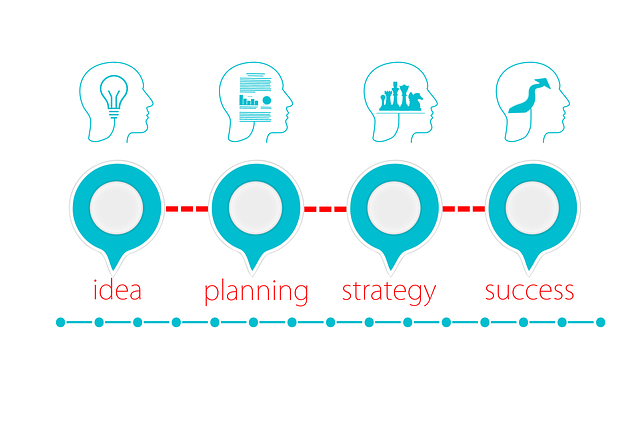
A comprehensive plan guides first-time homebuyers through crucial steps to secure homeownership. Key…….

Strategic analysis demands a comprehensive plan for investors to thrive in dynamic markets. This inc…….

A comprehensive plan is vital for successful property ventures. It involves assessing physical and i…….

A comprehensive plan is vital for first-time homebuyers, guiding them through mortgage assessment, b…….

A comprehensive plan for real asset investors involves a multi-faceted approach: understanding marke…….