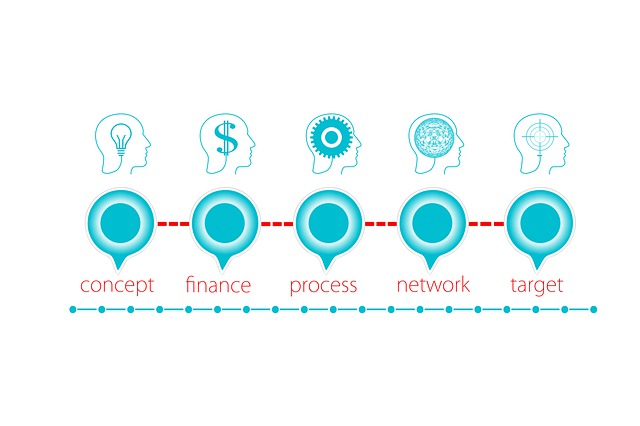
A successful investment strategy hinges on a comprehensive plan that navigates the complex market landscape. This involves analyzing trends, competitors, and consumer behavior for informed decision-making. For real estate investors, creating a unique value proposition through trend analysis, identifying unmet needs, and leveraging advantages is key. Financial projections, based on historical data and industry analyses, guide lenders and ensure credible risk assessment. Risk mitigation strategies, including diversification and compliance with regulations like anti-money laundering laws, are vital. Effective comprehensive planning incorporates borrower needs, risk management, market insights, and adaptability for long-term success.
In today’s dynamic investment landscape, crafting a robust strategy is paramount for both seasoned investors and those new to the market. The challenge lies in navigating an ever-changing environment, deciphering complex data, and identifying opportunities that align with risk appetites. This article presents a comprehensive plan designed to empower investors with the tools and insights necessary to make informed decisions. By delving into cutting-edge analytical methods and leveraging robust datasets, we offer a strategic framework tailored to diverse investment goals. Our approach ensures investors stay ahead of market trends, mitigate risks effectively, and optimize returns in this competitive real estate sector.
Market Analysis: Understanding the Investment Landscape

In the dynamic realm of investment, a thorough understanding of the market is the cornerstone of any successful venture. This involves a meticulous analysis of trends, competitors, and consumer behavior—a comprehensive plan that dictates strategic decisions for both short-term gains and long-term sustainability. The investment landscape is a complex mosaic, where each tile represents an opportunity or challenge. Recognizing and deciphering these patterns requires expertise and a data-driven approach.
Market analysis forms the backbone of any robust investment strategy. It involves scrutinizing market dynamics, identifying gaps, and evaluating borrower requirements to forge ahead with confidence. A comprehensive plan should encompass a multi-faceted examination: from assessing industry growth rates and regulatory environments to gauging consumer preferences and competitor strategies. For instance, a study by the Federal Reserve reveals that small businesses, accounting for a significant portion of the market, often face unique challenges in accessing capital, underscoring the critical need for tailored borrower requirements and support mechanisms.
Practical insights gleaned from such analysis guide decision-making processes. It enables investors to identify emerging sectors, anticipate shifts in consumer behavior, and tailor financing models to meet specific borrower needs. For example, recognizing the growing demand for eco-friendly products could prompt an investment strategy focused on green technologies, with corresponding borrower requirements centered on sustainable financing options and environmental impact assessments. This forward-thinking approach not only leverages market trends but also ensures a comprehensive plan that fosters both financial viability and societal impact.
Business Strategy: Defining Your Unique Value Proposition

In crafting a comprehensive plan for investors interested in real estate, defining your unique value proposition is a cornerstone strategy that sets your project apart from the competition. This involves a meticulous analysis of market trends, identifying unmet needs, and leveraging distinct competitive advantages. For instance, consider a developer aiming to revitalize an urban area with aging infrastructure. Their unique value could lie in their expertise in sustainable construction practices, offering not just high-quality residences but also contributing to the community’s environmental well-being. This strategy not only attracts eco-conscious investors but also ensures a robust return on investment as green building standards gain popularity.
A comprehensive plan should elucidate these value propositions in detail, highlighting how they meet and exceed borrower requirements. Lenders and investors alike seek projects with clear, tangible benefits that minimize risk and maximize returns. For real estate ventures, this might include innovative financing models, efficient project management, or access to exclusive markets. For example, a developer utilizing off-mainstream funding sources like crowd-funding can offer investors diverse participation options while tapping into a broader pool of capital. This approach not only caters to the comprehensive plan borrower requirements of flexibility and inclusivity but also fosters community engagement in urban development.
Moreover, integrating data-driven insights is essential for refining your value proposition. Market research should not only identify demographic trends and consumer preferences but also quantify their impact on property values and investment returns. For instance, analyzing historical sales data can reveal the premium a location commands due to its proximity to top-rated schools or cultural amenities. This quantitative approach strengthens your strategy by providing concrete evidence of your project’s potential for success, ensuring that both you and potential borrowers are aligned in understanding and anticipating market dynamics.
Financial Projections: Building a Robust Roadmap

In crafting a comprehensive plan for investors interested in real estate ventures, financial projections serve as the cornerstone, enabling informed decision-making and attracting potential lenders. A robust roadmap involves detailed forecasts that go beyond basic income and expense calculations. It should incorporate historical market trends, industry analyses, and comparative property valuations to paint a clear picture of expected performance. For instance, a thorough analysis of recent market data from reputable sources like the National Association of Realtors can reveal steady appreciation rates in targeted locations, bolstering investment viability.
The comprehensive plan borrower requirements often dictate the level of detail needed in financial projections. Lenders typically seek comprehensive plans that demonstrate not just profitability but also risk mitigation strategies and exit plans. This involves creating realistic scenarios based on various market conditions—optimistic, pessimistic, and most likely outcomes. For example, a 10-year cash flow projection should account for potential tenant turnover rates, property value fluctuations, and varying interest rate environments. By presenting such detailed projections, investors can assure lenders of their thorough preparation and commitment to responsible investing.
Furthermore, integrating industry benchmarks and comparable sales data into financial models enhances the comprehensive plan’s credibility. Investors can benchmark their projected returns against average market performance in similar asset classes and locations. According to a study by the Urban Land Institute, commercial real estate investors achieved an average total return of 8.4% in 2021, underscoring the potential for solid investment returns. By aligning financial projections with these benchmarks, borrowers can demonstrate both realism and ambition in their investment strategies.
Ultimately, effective financial projections within a comprehensive plan foster trust among investors and lenders. They provide a transparent view of risks and rewards, enabling stakeholders to assess the viability of the real estate venture. Regular updates based on market dynamics and operational feedback ensure that the comprehensive plan remains adaptable and relevant throughout the investment lifecycle.
Risk Assessment: Navigating Potential Challenges

Risk assessment is a cornerstone of any successful comprehensive plan for investors engaging with real assets. Navigating potential challenges requires a nuanced understanding of market dynamics and borrower requirements. A thorough analysis must consider factors such as economic trends, sector-specific risks, and the creditworthiness of borrowers. For instance, the global property market has shown resilience in recent years, but localized bubbles and interest rate hikes can significantly impact investment returns. Lenders must factor in these variables to create robust risk management strategies tailored to each borrower’s unique circumstances.
Comprehensive plan borrower requirements encompass not only financial viability but also operational efficiency and legal compliance. Investors should scrutinize a borrower’s cash flow projections, debt service coverage ratios, and historical performance. Moreover, assessing the borrower’s adherence to regulatory frameworks ensures transparency and mitigates reputational risks. A case in point is the strict enforcement of anti-money laundering regulations, which demands robust know-your-customer due diligence processes. Investors ignoring these requirements risk legal repercussions and damage their reputation, underscoring the critical importance of a comprehensive plan that addresses these aspects.
Implementing proactive risk mitigation measures further strengthens the comprehensive plan. Diversification across asset classes, geographic regions, and investment strategies can reduce concentration risks. Additionally, investors should consider insurance products designed to shield against specific perils like natural disasters or market downturns. For example, catastrophic event insurance can provide a safety net for real estate investors facing unexpected property damage. By integrating such measures into the comprehensive plan, lenders not only protect their investments but also instill confidence in borrowers and stakeholders.
Regular monitoring and adaptive risk management are indispensable components of an effective comprehensive plan. Market conditions evolve, and so too do borrower profiles. Lenders must remain agile, adjusting strategies as necessary to capitalize on emerging opportunities while navigating new challenges. Historical data can offer valuable insights into potential risks but should be interpreted with caution, as past performance is not indicative of future results. By embracing a dynamic approach, investors can ensure their comprehensive plan remains relevant and robust in an ever-changing investment landscape.
Execution Plan: Turning Vision into Reality

Turning a visionary concept into a tangible reality requires a meticulously crafted execution plan—a roadmap that guides investors and borrowers through the intricate journey of project development. This comprehensive plan is pivotal in ensuring successful outcomes, addressing potential challenges, and maximizing returns. Herein lies the essence of effective strategic planning—a cornerstone for any aspiring entrepreneur or investor.
A robust execution strategy starts with a deep understanding of borrower requirements. It involves gathering detailed information on their financial capabilities, risk tolerance, and investment goals. For instance, a comprehensive plan should delineate specific milestones, such as securing funding, acquiring necessary permits, and establishing operational infrastructure. Each milestone must be accompanied by clear deliverables and timelines, fostering transparency and accountability throughout the process. Moreover, it should incorporate risk management strategies to mitigate potential setbacks, ensuring borrowers are well-prepared for any unforeseen circumstances.
Practical insights gleaned from industry trends and market analysis play a pivotal role in crafting an effective comprehensive plan. Investors must stay abreast of regulatory changes, technological advancements, and shifting consumer preferences that could impact their projects. For example, embracing digital transformation strategies can enhance operational efficiency, improve customer experiences, and open new avenues for growth. By integrating such insights, borrowers can position their ventures for long-term success while adhering to evolving industry standards. Ultimately, a well-executed comprehensive plan becomes a catalyst for innovation, driving the realization of ambitious visions into concrete realities.