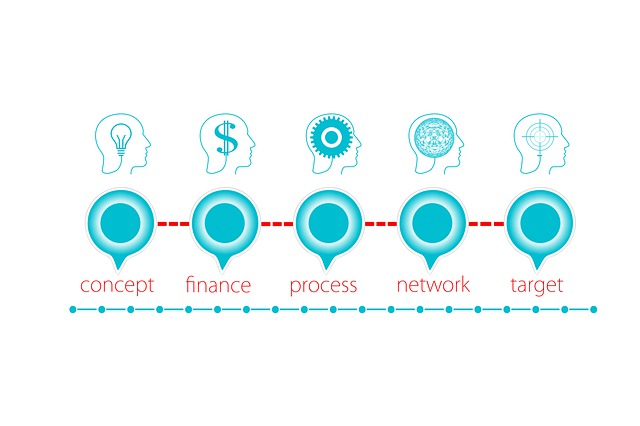
A successful real asset investment strategy hinges on a robust comprehensive plan integrating market insights, borrower understanding, and financial viability. Key elements include demographic data analysis, flexible financing options, regulatory compliance, risk diversification, adaptive strategies for market fluctuations, and profitable sector targeting (e.g., renewable energy, digital transformation). Comprehensive planning involves meticulous financial projections, cost analysis, profitability forecasts, industry benchmarking, and regular updates based on market dynamics. Effective execution plans, with defined tasks, resources, and milestones, ensure successful outcomes while mitigating risks and meeting borrower requirements.
In today’s dynamic market, crafting a robust investment strategy is paramount for both seasoned investors and those new to the game. This article presents a comprehensive plan tailored for investors seeking to navigate the complexities of real estate with confidence and precision. We address the pressing challenges faced by investors, including market volatility, regulatory changes, and the need for diversified portfolios. By offering a detailed roadmap, we empower investors to make informed decisions, capitalize on opportunities, and achieve long-term success in the real estate sector. Our approach ensures a solid foundation, comprehensive analysis, and adaptive strategies for thriving in an ever-evolving landscape.
Market Analysis: Understand Industry Trends and Competitor Landscape

A thorough market analysis is a cornerstone of any comprehensive plan for investors in real assets. Understanding industry trends and the competitive landscape is crucial to making informed decisions. According to recent data from the National Association of Realtors (NAR), residential real estate has experienced steady growth, with national home sales increasing by 5% year-over-year. However, this growth isn’t uniform; market dynamics vary significantly across regions, influenced by local economic conditions and policy environments. For instance, urban centers like New York and San Francisco have seen robust demand, while some suburban and rural markets have witnessed slower appreciation.
Competitive analysis is a key component within the market analysis phase of our comprehensive plan. Investors should identify direct and indirect competitors, evaluating their strategies, pricing models, and market positioning. Consider platforms like Airbnb, which have disrupted traditional hospitality, or e-commerce giants expanding into physical retail spaces. These trends highlight the evolving nature of real estate markets and necessitate a dynamic approach in the comprehensive plan borrower requirements. For example, a property developer aiming to target millennial buyers might need to adapt their marketing strategies and offer innovative financing options to compete effectively in today’s digital landscape.
To gain a strategic edge, investors should employ advanced analytics and data-driven insights. This includes tracking key metrics like vacancy rates, rental income growth, and property values over time. For instance, an analysis of historical data might reveal that certain neighborhoods experience higher rental demand during specific seasons, influencing investment decisions and comprehensive plan borrower requirements accordingly. Moreover, understanding demographic shifts, such as population growth in specific regions or changing household preferences, allows investors to anticipate market trends and adjust their strategies to capitalize on emerging opportunities.
By integrating these deep dives into industry trends and competitive dynamics, our comprehensive plan offers borrowers a robust framework for navigating the real estate market successfully. This strategic perspective enables investors to make informed choices, mitigate risks, and identify profitable opportunities, ensuring their investments remain viable in an ever-changing economic environment.
Business Model: Define Strategy for Sustainable Growth and Profitability

In crafting a comprehensive plan for investors interested in real estate, a robust business model is the cornerstone of sustainable growth and profitability. The strategy must account for market dynamics, borrower requirements, and long-term financial viability. A successful approach involves a nuanced understanding of target demographics, economic trends, and evolving consumer preferences. For instance, leveraging data on demographic shifts can guide investment decisions in emerging urban centers, capitalizing on growing demand from tech-savvy millennials.
A key element within this model is the integration of innovative financing options tailored to diverse borrower needs. This includes exploring alternative lending mechanisms, such as peer-to-peer (P2P) lending or crowdfunding platforms, which can open doors for both borrowers and investors by providing more flexible terms and expanded access to capital. The comprehensive plan should detail how these strategies align with regulatory frameworks and industry best practices, ensuring compliance while maximizing returns. For example, a well-structured comprehensive plan might outline a risk mitigation strategy involving geographic diversification and a balanced portfolio of residential, commercial, and industrial properties.
Furthermore, the business model must prioritize adaptability to market volatility. This involves regular assessment of economic indicators, interest rates, and potential risks associated with specific investment avenues. By staying agile and responsive, investors can navigate shifting landscapes while maintaining profitability. For instance, during periods of rising interest rates, a comprehensive plan might advocate for strategic refinancing options or diversifying investments into hard assets that historically demonstrate resilience in such climates.
Financial Projections: Detailed Revenue, Cost, and Profitability Forecasts

Creating a comprehensive plan for investors requires a meticulous approach to financial projections, which serve as the backbone of any successful investment strategy. This section delves into the intricate process of crafting detailed revenue, cost, and profitability forecasts that accurately reflect the potential of a business venture. By adhering to a structured comprehensive plan borrower requirements, investors can make informed decisions, mitigate risks, and maximize returns.
Comprehensive plan borrower requirements mandate a thorough analysis of historical financial data, market trends, and competitive landscapes. For instance, a startup in the renewable energy sector should examine global trends in clean energy adoption and regulatory changes that could impact its operations. This data-driven approach allows for the development of realistic revenue projections. For a technology company, historical sales data, customer acquisition rates, and anticipated product lifecycles can be leveraged to forecast revenue growth. Similarly, cost analysis should consider direct expenses, overhead, and potential fluctuations in raw material costs.
Profitability forecasts are integral to the comprehensive plan, as they demonstrate the viability and sustainability of a business. Investors expect clear insights into how the company plans to convert revenue into profits, including strategies for cost optimization and revenue growth. For instance, a retail business might focus on enhancing customer experience through digital transformation, which could increase sales while maintaining or reducing operational costs. Providing detailed profitability projections, including break-even analysis, helps investors assess the risk-return trade-off and ensures alignment with their investment objectives.
Actionable advice for crafting robust financial projections includes employing industry benchmarks, consulting with financial experts, and regularly updating forecasts based on market dynamics. Utilizing sophisticated financial modeling tools can aid in creating dynamic scenarios that account for best-case, worst-case, and most-likely outcomes. This proactive approach enables investors and comprehensive plan borrower requirements to navigate uncertainties and capitalize on emerging opportunities, ultimately fostering a robust investment environment.
Investment Opportunities: Highlighting Key Areas for Capital Allocation

In the realm of investment opportunities, a comprehensive plan is essential for capital allocation that drives sustainable growth and maximum returns. The key lies in identifying sectors and industries that exhibit strong growth potential, while also understanding the specific borrower requirements that underpin these opportunities. By meticulously analyzing market trends, macro-economic indicators, and sector-specific dynamics, investors can navigate the complex landscape effectively.
One prominent area for capital allocation includes renewable energy initiatives. With a global push towards sustainability, investments in clean energy technologies, such as solar, wind, and hydroelectric power, offer both environmental and financial benefits. Governments worldwide are implementing policies that incentivize renewable energy adoption, further underscoring the viability of this sector. For instance, a comprehensive plan for a renewable energy fund could involve directing capital towards innovative startups developing advanced battery storage solutions, while also supporting established companies in emerging markets with strong renewable energy potential.
Another strategic avenue is the digital transformation of traditional industries. The rapid advancement of technology has created opportunities for disruption across sectors, from healthcare to manufacturing. Investors should consider allocating capital to companies at the forefront of this digital revolution, particularly those leveraging artificial intelligence, machine learning, and the Internet of Things (IoT). A comprehensive plan in this domain might involve identifying small-to-medium enterprises (SMEs) that are digitizing supply chain management or healthcare delivery, and providing them with the necessary funding and resources to scale their operations. Understanding the comprehensive plan borrower requirements, such as robust business models, experienced management teams, and scalable technologies, is crucial for successful investments in these areas.
Moreover, the rise of e-commerce and direct-to-consumer (DTC) brands presents another set of compelling investment opportunities. The digital economy has reshaped consumer behavior, leading to the growth of niche online retailers and subscription-based business models. Investors should seek out innovative DTC brands with strong brand identities, efficient supply chain management, and data-driven marketing strategies. A well-crafted comprehensive plan in this space would involve not only capital allocation but also strategic partnerships and mentoring to help these companies navigate the competitive landscape and achieve long-term success. By adhering to a rigorous comprehensive plan borrower requirements assessment, investors can identify and support the most promising ventures, ultimately fostering a robust and diverse investment portfolio.
Risk Assessment: Identifying and Mitigating Potential Challenges and Threats

Risk assessment is a cornerstone of any successful comprehensive plan for investors in real assets, be it commercial properties or residential developments. A thorough analysis involves identifying potential challenges and threats that could impact project outcomes, then implementing strategies to mitigate these risks. This proactive approach ensures borrowers meet their financial obligations, safeguarding investor interests.
One critical aspect is understanding market dynamics and economic trends. For instance, fluctuations in interest rates can significantly affect borrowing costs and property values. A comprehensive plan should incorporate scenarios based on historical data and expert analysis to anticipate such changes. Moreover, location-specific risks must be considered; natural disasters, for example, pose unique challenges in certain regions. Borrowers and investors can minimize exposure by ensuring adequate insurance coverage and incorporating resilient design elements in their projects.
Credit risk assessment is another vital component. Evaluating the creditworthiness of borrowers involves examining financial statements, debt obligations, and potential cash flow disruptions. A comprehensive plan should outline borrower requirements for credit scoring models and leverage ratios to ensure a robust evaluation process. This includes regular monitoring post-funding to detect any adverse changes in borrowers’ financial health, enabling timely intervention if necessary.
Furthermore, legal and regulatory risks must be addressed. Changes in legislation can impact property ownership and development rights. Investors should review relevant laws and policies, ensuring compliance throughout the project lifecycle. A comprehensive plan for risk mitigation should include provisions for legal consultations and regular updates on regulatory changes, fostering a robust framework to navigate these complexities.
Execution Plan: Comprehensive Timeline and Milestones for Success

To ensure a successful investment venture, a robust execution plan with a well-defined timeline and clear milestones is paramount. This strategy serves as a roadmap, guiding stakeholders through each phase, from initial concept to final delivery. A comprehensive plan for any project involves a meticulous breakdown of tasks, resources, and dependencies, tailored to meet borrower requirements.
The first step in crafting this plan is conducting thorough market research to identify trends, potential risks, and opportunities. This data-driven approach informs the project’s scope and feasibility, aligning with investor expectations. For instance, understanding demographic shifts can be crucial for real estate investments, shaping development plans to cater to evolving consumer needs.
Subsequent phases include detailed project planning, where specific milestones are established. These should be measurable and time-bound, allowing for regular progress assessments. For a construction project, milestones could mark the completion of foundation work, structural framing, and final inspections. Each phase must adhere to borrower requirements, ensuring compliance with regulations and financial expectations. Regular communication channels should be established between investors, borrowers, and project managers to address any emerging challenges promptly.
Regular reviews at predetermined intervals are vital to assess the project’s health. These meetings allow for course correction, resource reallocation, or even pivoting if necessary. By adhering to this structured approach, investors can navigate complexities with confidence, ultimately leading to successful outcomes that meet and often exceed initial comprehensive plan objectives.